
Anjana Data Platform
It is not just a Data Governance & Analytics tool, it is the implementation of a philosophy resulting from extensive experience in projects related to Data and AI.
Data governance & AI with Anjana Data Platform
From what to how, and from paper to operational reality
The same scenario repeats itself in every organisation: data everywhere, decisions that cannot wait, and AI models that demand trust in complex technological scenarios, with increasing security requirements and increasingly stringent regulatory environments. And all this with the added pressure of generating value and competitive advantage, reducing costs and ensuring efficiency. There is no lack of technology; what is lacking is operational governance.
Anjana Data Platform helps organisations turn data and AI governance into a truly operational system that serves as a lever for implementing a clear, scalable and measurable data and AI strategy.
Anjana Data Platform covers the following areas:
Data governance
Clear order and responsibilities: what data is available, who uses it, and under what rules.
AI government
Ensure your AI is reliable: inventoried, with controlled risks and evidence that it delivers what it promises.
Data space
Share data with third parties with confidence: clear agreements, common rules and traceability.
Knowledge Marketplace
Put knowledge at your fingertips: dashboards, KPIs, reports, or ready-to-use models.
Key features of Anjana Data Platform
The most innovative Data & AI Governance Platform
Anjana establishes a common, transversal and agnostic governance layer on any architecture and stack with a modern approach, competing in capabilities with Collibra, Informatica, Alation and Atlan, among others.
Agnostic solution with bi-directional integrations
Integrates with leading cloud and data platforms to extract/inject metadata, manage permissions, lineage and sampling, avoiding vendor lock-in and enabling governance of hybrid and multi-cloud ecosystems.
Proactive and preventive governance vs. technical cataloguing
In contrast to technical catalogues focused on discovery and lineage, Anjana prioritises business vision, operationalisation of the governance model and integration with demand management to automate common technical processes.
Data Fabric and Data Mesh on Active Metadata
Anjana enables modern, integrated and scalable Data & AI architectures, complementing native Cloud services (AWS, Azure, GCP, Oracle) and other platforms such as Denodo, Snowflake, Databricks, Cloudera...
Features and capabilities
A new approach to the implementation and operationalisation of Data Governance & AI thanks to a distinctive solution based on value-added features that promote collaboration and data democratisation.
Edit Content
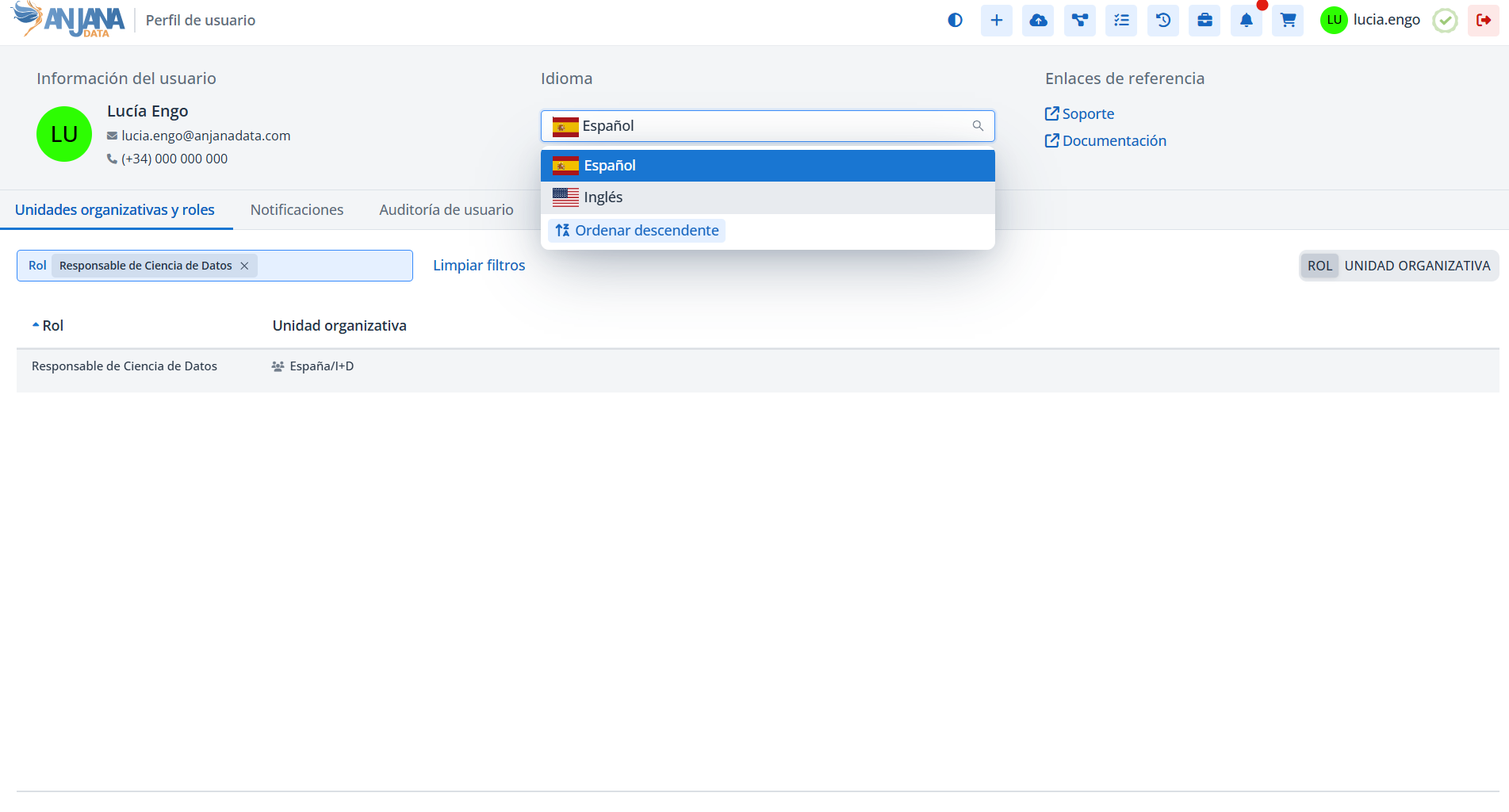
Intuitive UX & UI adapted to each profile
It offers a simple, intuitive user experience oriented to non-technical profiles. The interface adapts to each role within the governance model, displaying only the information and actions relevant to each user. This accelerates adoption, reduces the learning curve and facilitates collaboration between business, data and technology.
Edit Content
Advanced Configuration Portal
Centralises the configuration of the governance model, metamodel and operation of the platform in a single, advanced portal. Defines domains, roles, permissions, flows, templates and rules without the need for development, by means of no-code and low-code parameterisation, allowing the platform to be adapted in an agile way to organisational evolution.
Edit Content
Multi-language interface and content
Adapt the platform to global environments and multinational organisations thanks to its advanced multi-language capabilities. The user interface and governed content - metadata, descriptions, business terms and documentation - can be managed in multiple languages, enabling a consistent, inclusive experience aligned with the operational reality of each team.
Edit Content
Operationalisation of the governance model
It implements and operationalises any Data & AI governance model - centralised, federated or hybrid - through the flexible definition of domains, roles and permissions. The platform abstracts people from responsibilities, allowing the organisational model to evolve over time without friction and ensuring that governance is applied consistently across all modules.
Edit Content
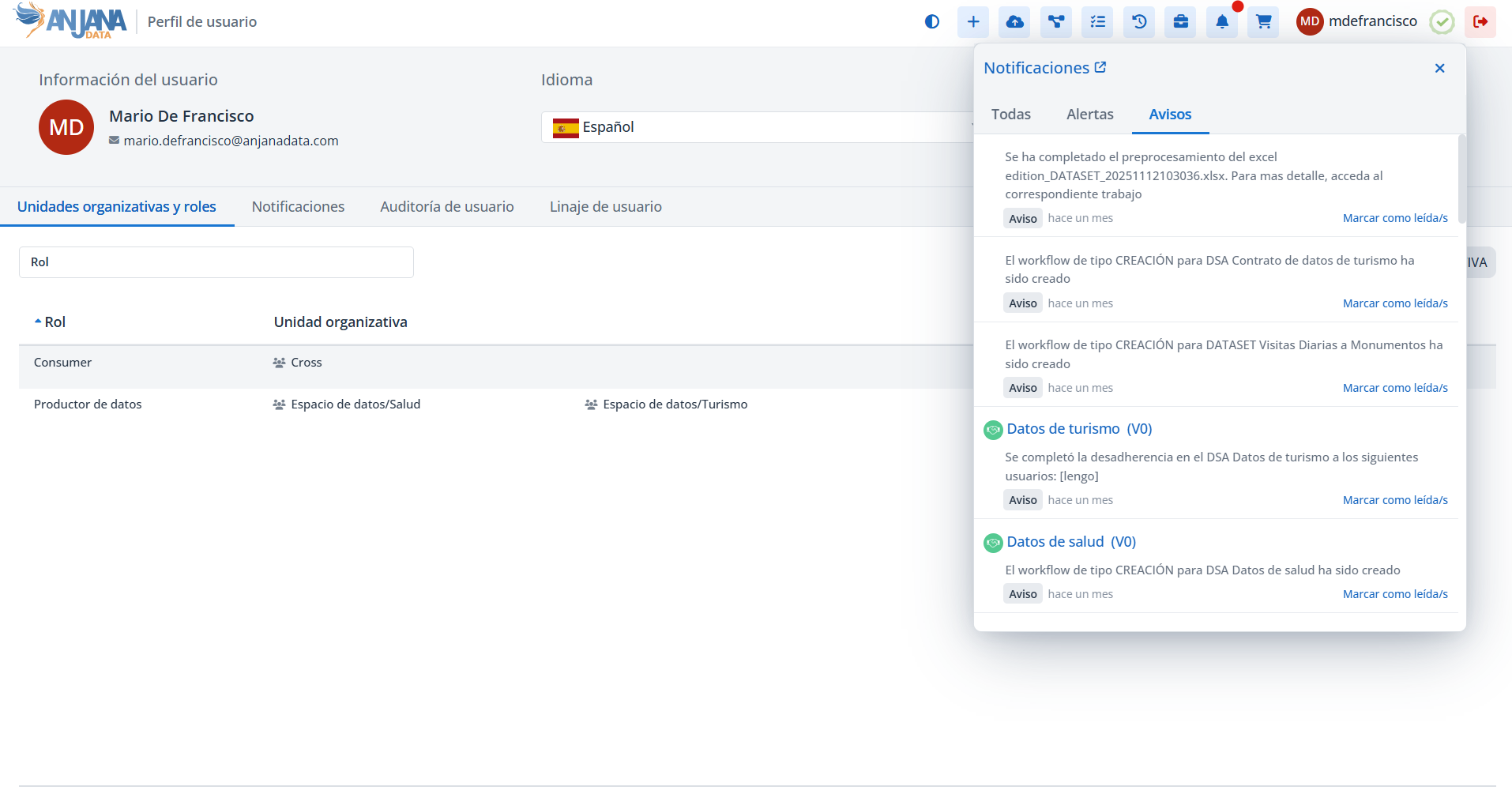
Policies, procedures, workflows and notifications
Design and execute governance policies and procedures through dynamic role-based workflows. Integrated BPM automates approvals, status and validations throughout the asset lifecycle, incorporating alerts and notifications to facilitate collaboration and ensure a governance-first and governance-by-design approach.
Edit Content
Data Catalogue & metadata-centric IA
It inventories and manages any Data & AI asset in a technology-agnostic way from a metadata-centric approach. The Catalogue centralises technical, business, operational, quality and regulatory metadata in a single Metadata Lake, offering a complete, contextualised view that is always aligned with the actual use of the data.
Edit Content
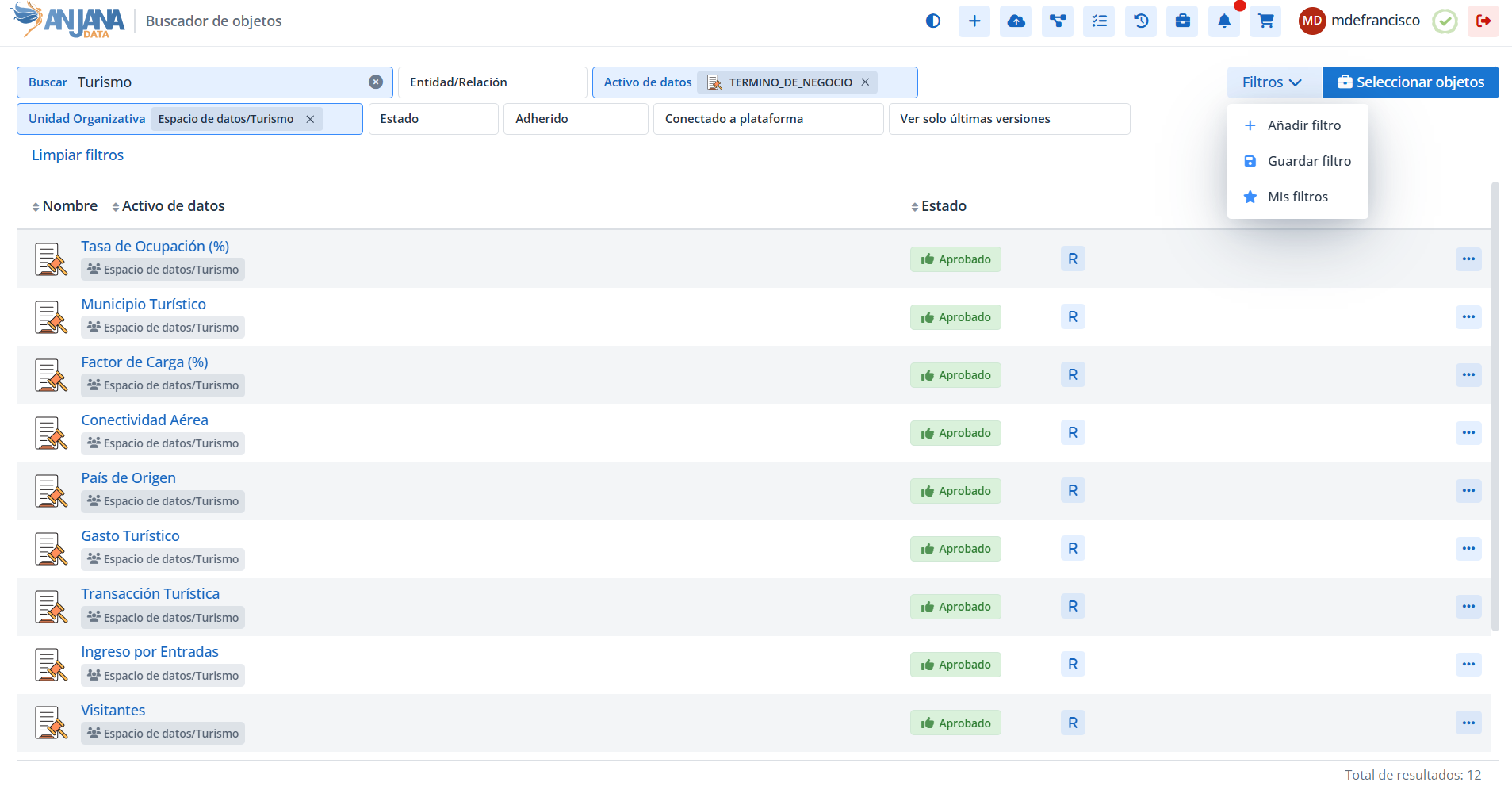
Business glossary and semantic layer
Builds a common and shared language for the entire organisation through a Business Glossary fully integrated with the technical catalogue. Defines business terms, concepts and metrics linked to information assets, facilitating understanding, reuse and alignment between business and technology in a collaborative environment.
Edit Content
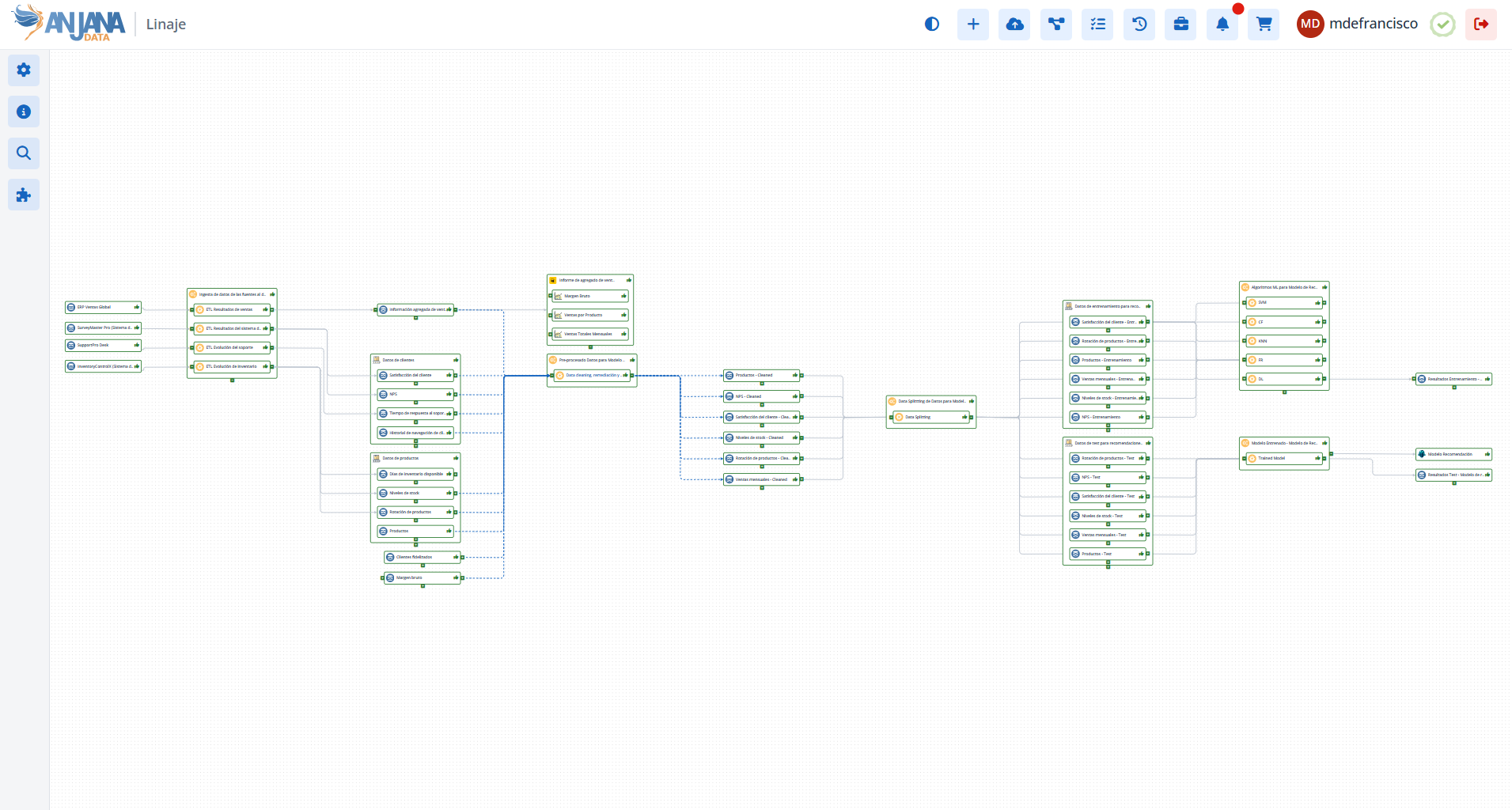
Hybrid, global, extended and multilayered lineage
It visualises the complete traceability of information assets from origin to consumption, and from the technical to the business layer. The multi-layered lineage allows to adapt the experience to different profiles and build a Knowledge Graph that enhances impact analysis, trust and leveraging the Data & AI ecosystem.
Edit Content
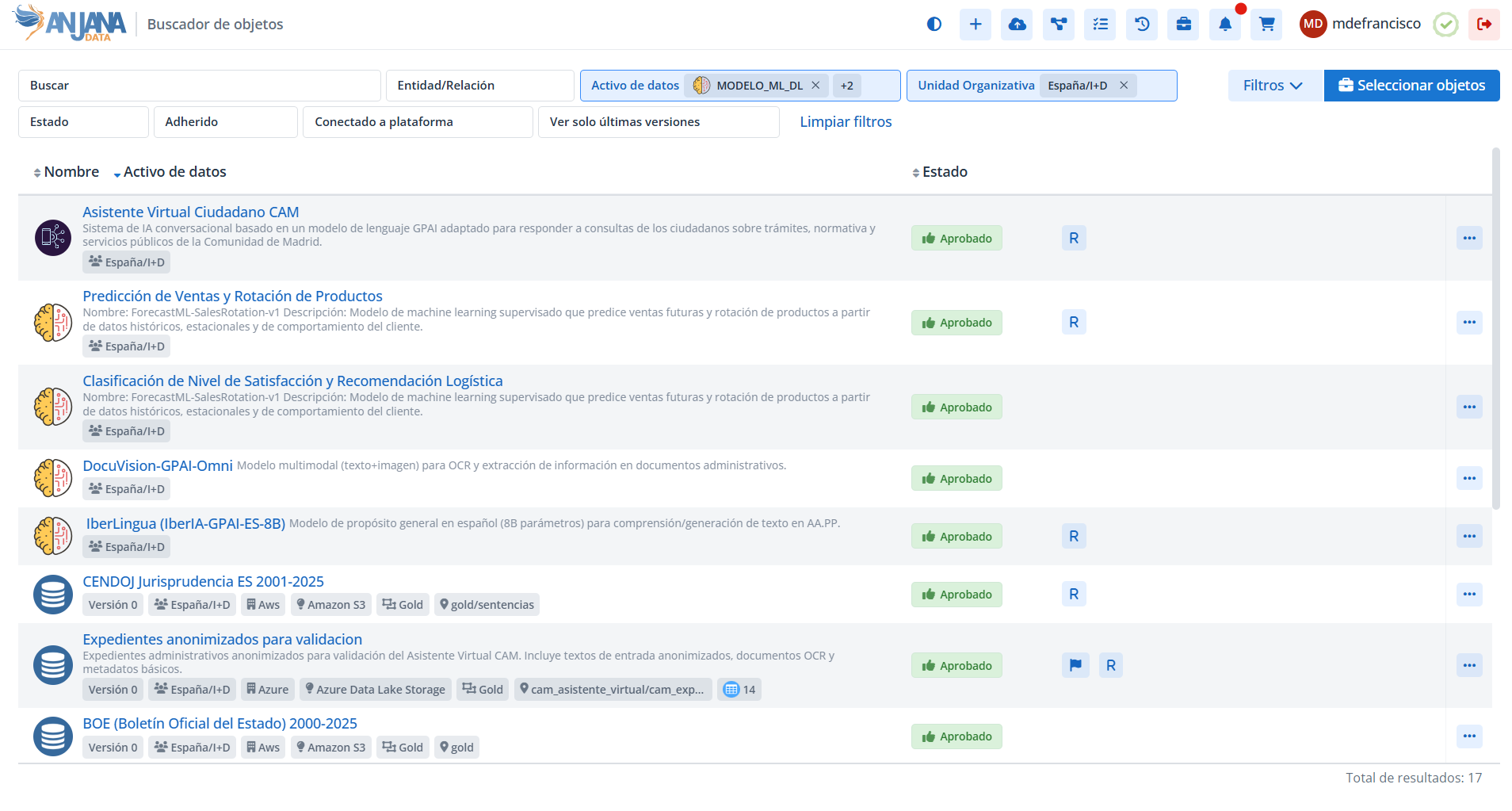
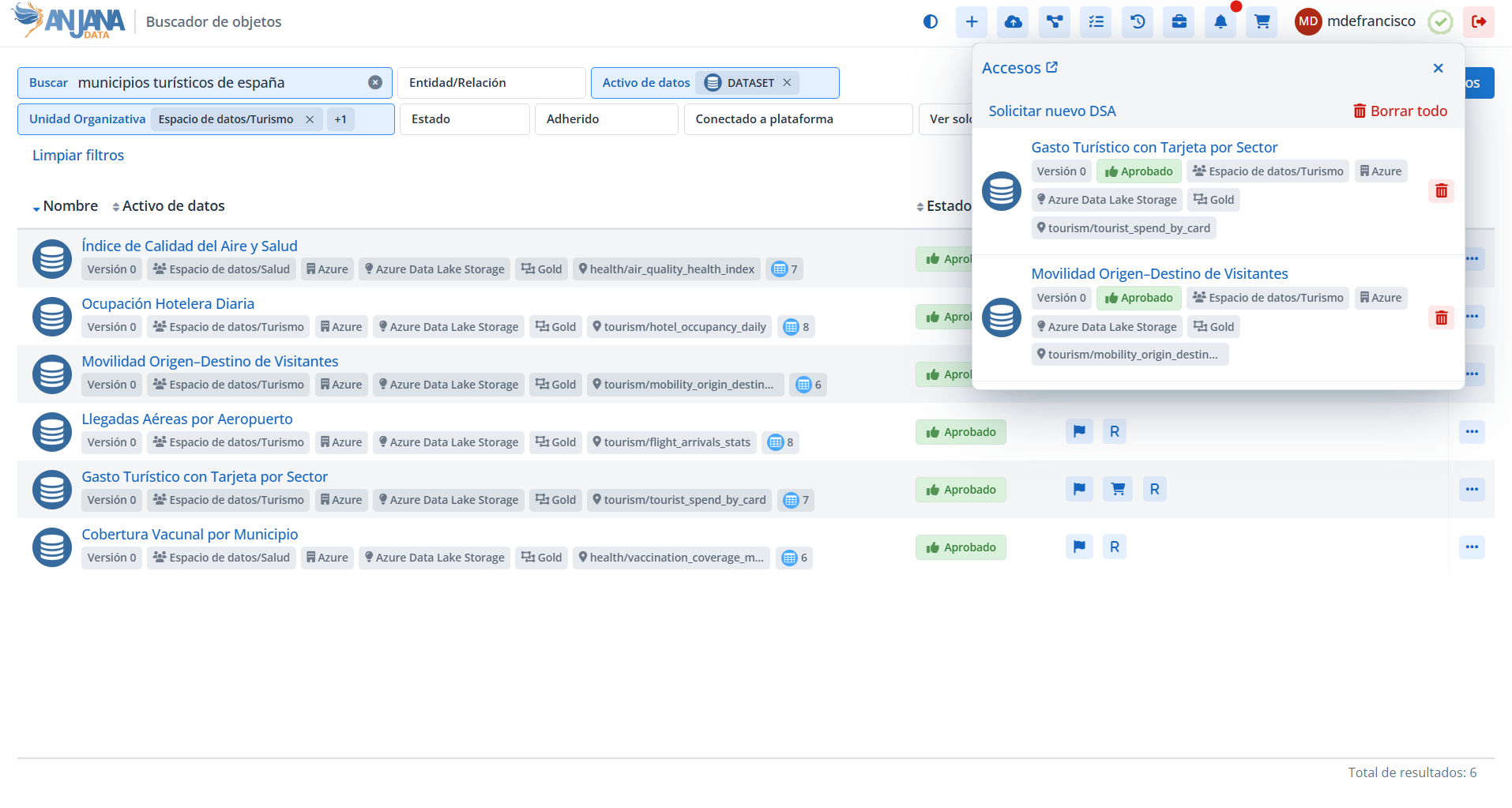
Information portal and global search engine
Easily access corporate knowledge on Data & AI through a unified portal with semantic search in natural language. Apply dynamic filters on any Metadata Lake metadata, save customised searches and quickly find the most relevant assets based on context and your needs.
Edit Content
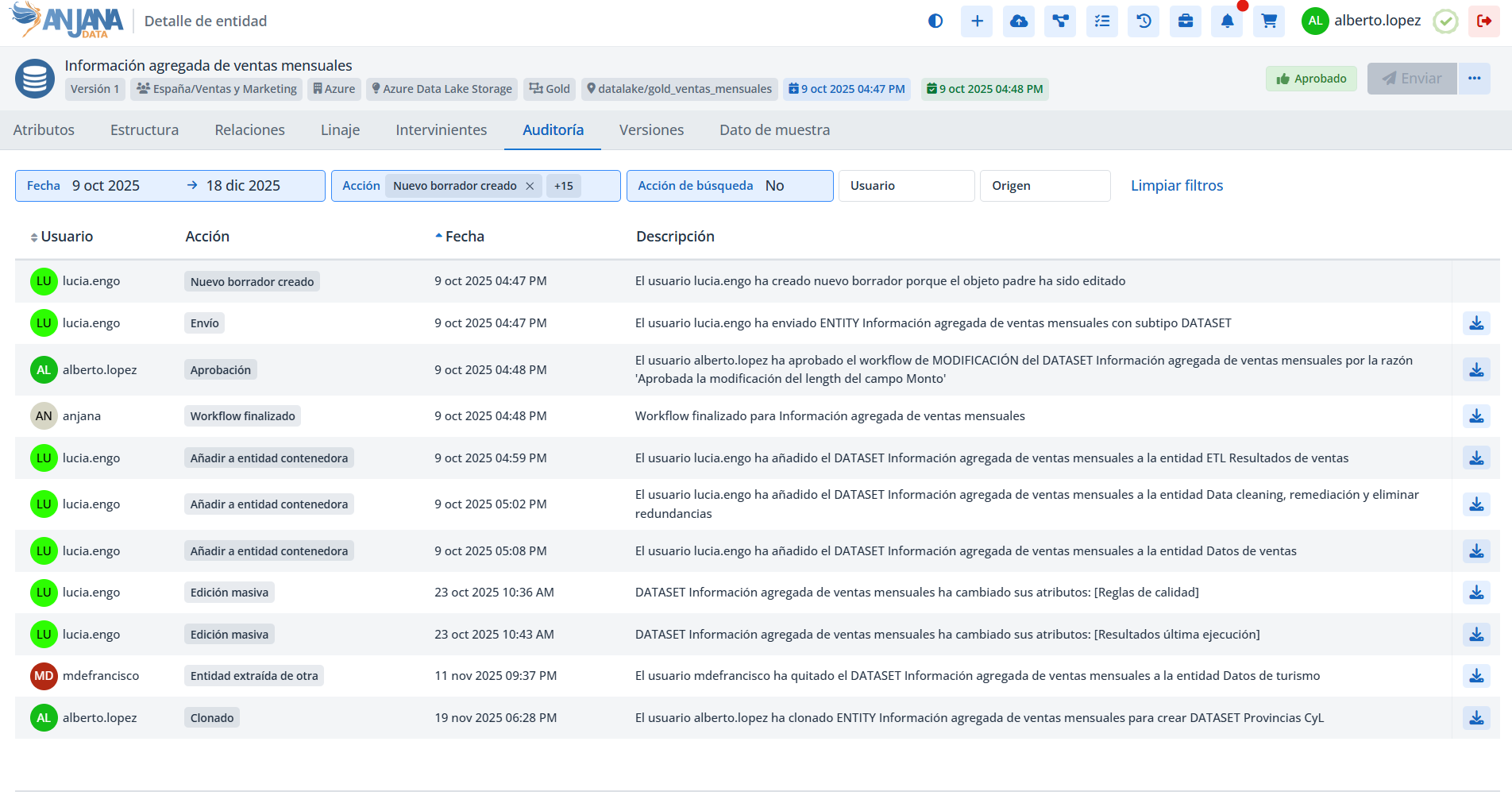
Information and Knowledge Marketplace
Publish, discover and consume Data, AI and Knowledge Products in a governed environment. The Marketplace enables the management of Data Sharing Agreements and Data Contracts, enabling regulated self-service similar to e-commerce, with automated end-to-end processes to democratise access without losing control.
Edit Content
Active metadata management
Enables Data & AI governance by continuously capturing, generating and enriching metadata from multiple sources. The platform orchestrates automated actions on governed assets, integrating governance, DataOps and demand management to place control from design and across the entire value chain.
Edit Content
Impact control in the face of change
Proactively analyses the impact of any change before implementing it. Thanks to lineage, versioning and lifecycle management, the platform allows you to identify dependencies, prevent risks and coordinate actions with affected stakeholders, reducing errors and ensuring controlled and traceable changes.
Edit Content
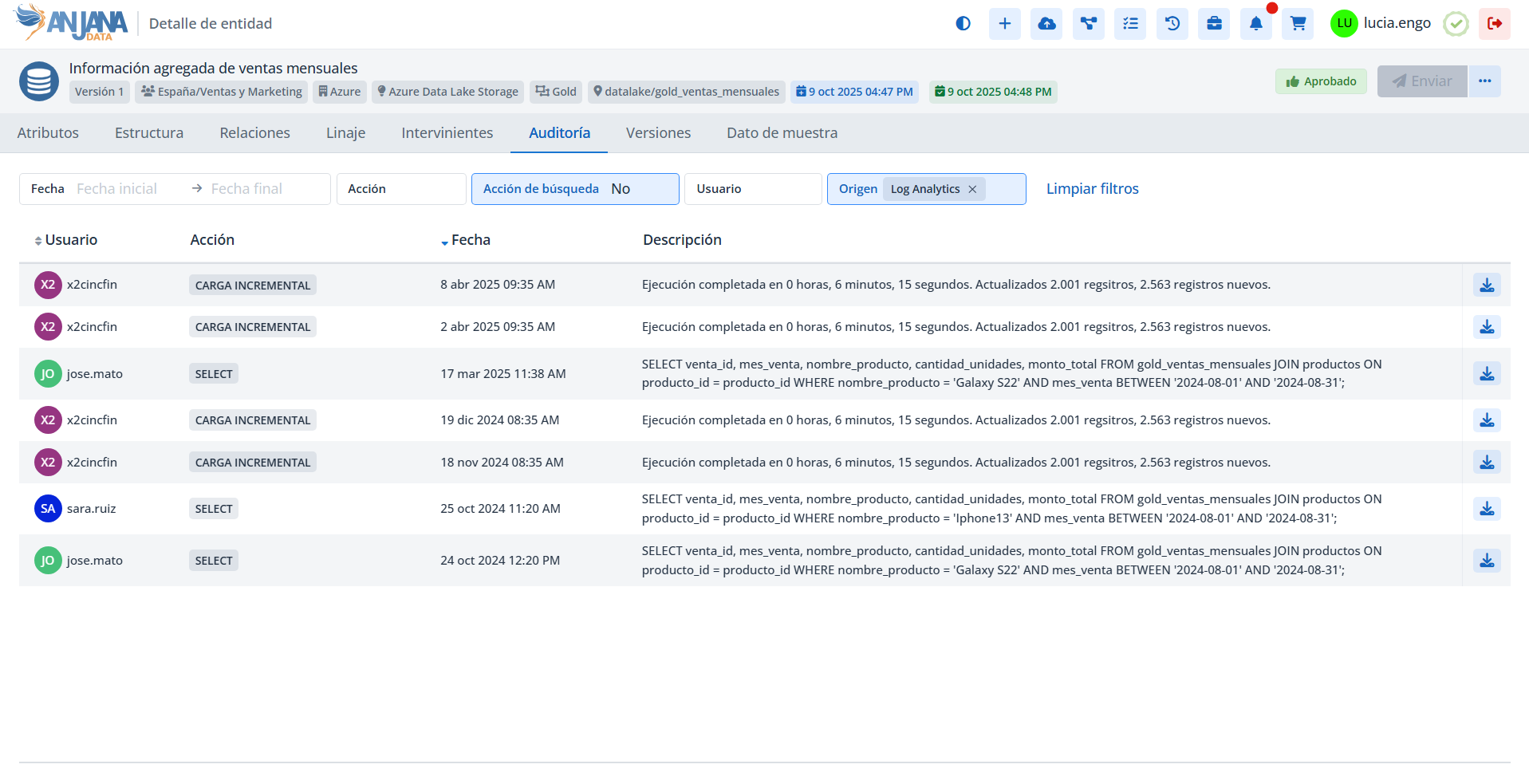
Change history and audit trail
Logs and audits all actions taken on information assets, regardless of channel or user. Maintain a complete history of changes, versions and events, also integrating audit information from external systems to ensure traceability, compliance and evidence for internal and external audits.
Edit Content
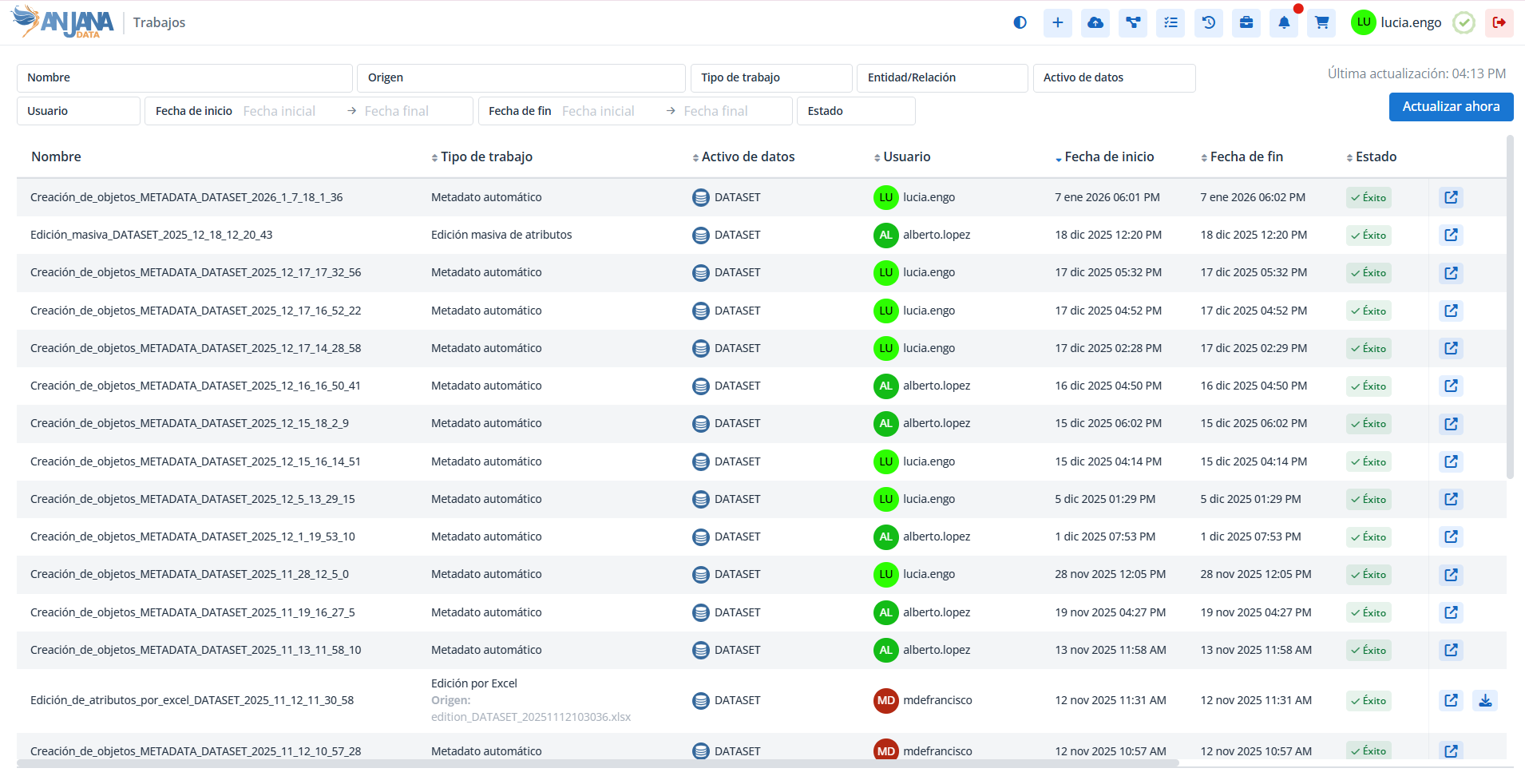
Workspace for mass actions
Optimises operational management through a workspace designed to execute massive actions on multiple information assets. It allows you to apply changes, validate statuses, assign responsible parties or launch processes in an efficient and controlled manner, reducing manual tasks and ensuring consistency with the defined governance model.
Edit Content
Data quality management & AI
Defines, manages and monitors quality rules and metrics associated with information assets. The platform centralises the results of external quality engines, allowing you to analyse trends, manage alerts and coordinate corrective actions from a single point, aligning quality, governance and decision-making.
Edit Content
Data Observability & AI
Gain continuous visibility into the status, usage and behaviour of governed Data & AI assets. The platform allows you to observe metrics, events, quality, access and processes throughout the lifecycle, facilitating early detection of risks, deviations and opportunities for improvement from a governance perspective.
Edit Content
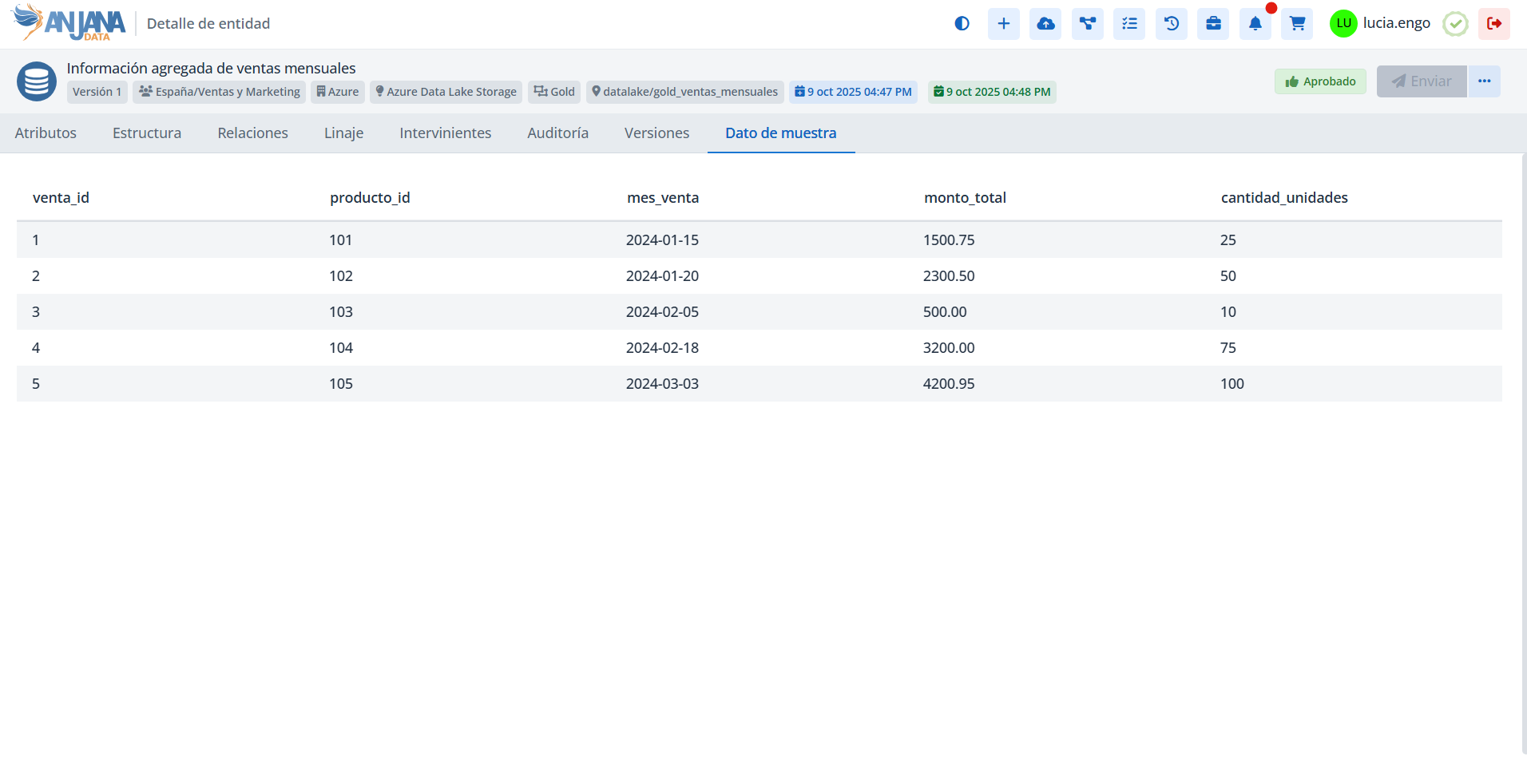
Information Asset Sampling
It allows users to securely preview the content of information assets in a controlled manner. The platform obtains limited and obfuscated samples directly from source systems, respecting governance policies, to facilitate evaluation and understanding before requesting full access.
Edit Content
Monitoring and tracking governance
Measures and monitors the degree of Data Governance & AI implementation through customised dashboards, reports and alerts. Thanks to its open architecture, the platform integrates with any BI or analytics tool, providing continuous visibility into the usage, quality and compliance of the governance model.
Edit Content
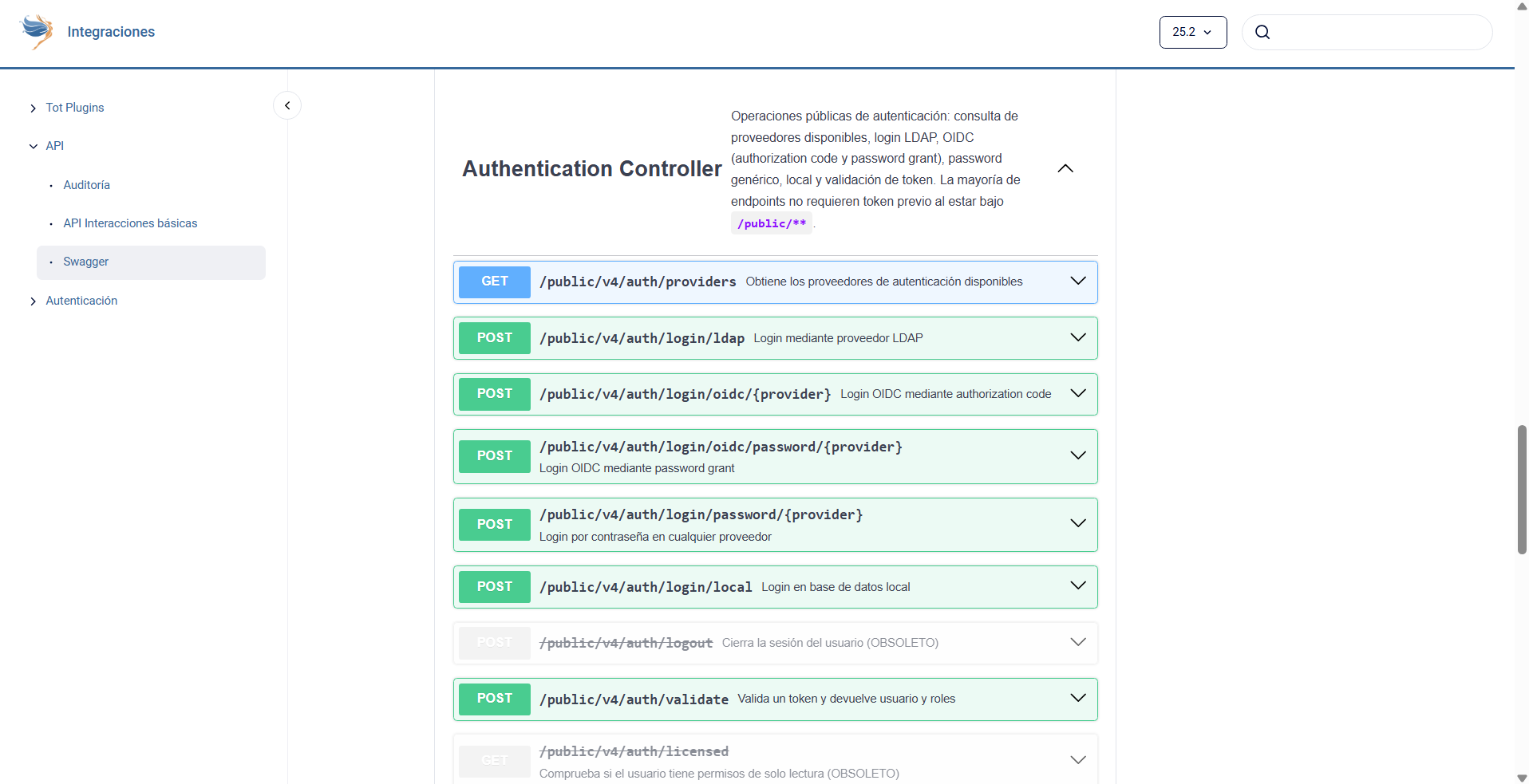
Full interoperability through APIs
Anjana Data Platform integrates bi-directionally with any system or tool in the ecosystem through fully documented REST APIs. The platform allows automating processes, exchanging metadata and orchestrating external actions without black boxes or vendor lock-in, guaranteeing an open, extensible and interoperable architecture.
Key features
Methodology, accelerators, and change management for time-to-market y time-to-value adapted to complex environments.
Designed for non-technical profiles; multiple role-playing experiences y Training Portal for customers and partners.
Expansion of the model to the entire ecosystem with horizontal scaling (Big Data technology) and no-code/low-code modular architecture.
Aligned with major standards (including. ENS), role-based and domain-based access controls.
Complete RESTful API with Swagger (public, administrative and configuration) and compatibility with any system/tool.
Application of policies and execution of technical processes to convert data into strategic asset.
Branding, colours, styles, languages; customisation of governance model, metamodel, templates, workflows, notifications, and translations.
Open access to internal information for measurement purposes adoption y penetration of data governance.
Guided evolution by renowned specialists in Data Management in Product and Customer Success.
Ready for Data & ML Ops, Data Fabric, Data Mesh, Data Spaces, AI Governance, Adaptive D&AI Governance.
Remote support model with high NPS and medium- and long-term relationships based on trust.
With leading cloud providers and data vendors: integrations plug-and-play that prevent vendor lock-in.
Differentials of Anjana Data Platform compared to technical catalogues and all-in-one suites“
-
Positioning and architectural integration
-
Governing ≠ cataloguing
-
Differential capabilities that operationalise governance
-
Operational and economic model aligned with scalability
Edit Content
Positioning and architectural integration
• Unified Data Governance and AI: Platform-agnostic solution that integrates with clouds and data platforms to manage metadata, permissions, and data sampling.
• No technological lock-in: It allows the stack to evolve without reworking governance, thanks to its decoupled and flexible architecture.
• Beyond the catalogue: It competes in the Data & Analytics Governance Platforms segment, with a common governance layer over heterogeneous technologies.
Edit Content
Governing ≠ cataloguing
• Catalogues technicians attached to the stack: Tools such as Purview, Glue, and Dataplex prioritise discovery, lineage, and metadata, but with a technical focus and without governance capabilities.
• Complete government with Anjana: Anjana adds domains, roles, policies, SLAs, data contracts, workflows and lifecycle, along with catalogue, glossary and marketplace.
•Combined and scalable architecture: Integrate native catalogues with an active governance layer, using bidirectional relationships and master/slave control by usage.
Edit Content
Differential capabilities that operationalise governance
• Integrated governance: Native BPM with policy integration, demand management, alerts, and control based on roles and organisational hierarchies.
• Active metadata and DataOps: Management of functional and technical metadata with automation to act on assets and apply governance from the outset.
• Controlled change and integrations: Impact analysis, versioning, and expirations, with bidirectional integrations for secure and governed self-service.
Edit Content
Operational and economic model aligned with scalability
• No-code and API-first architecture: Scalable design, no black boxes, 100% interoperable and with plug&play integrations thanks to technological alliances.
• Flexible deployment model: Managed IaaS, PaaS or SaaS options, tailored to different environments and operational needs.
• Licensing for actual use: Payment for governed assets, with integrations and plugins included from the outset.
Roadmap for implementing and operating Anjana Data
Initial diagnosis of architecture and infrastructure
Initial diagnosis of architecture and infrastructure
1
Preparation and provisioning of environments
Preparation and provisioning of environments
2
Launch of Anjana Data's core services
Launch of Anjana Data's core services
3
Selection of use case and definition of KPIs
Selection of use case and definition of KPIs
4
Technical integration: connections, identities, and permissions
Technical integration: connections, identities, and permissions
5
6
Functional parameterisation of the platform
Functional parameterisation of the platform
7
Training and workshops
Training and workshops
8
Case productisation and conclusions for scaling up
Case productisation and conclusions for scaling up
9
Licence registration and support authorisation
Licence registration and support authorisation
Initial diagnosis of architecture and infrastructure
1
Preparation and provisioning of environments
2
Launch of Anjana Data's core services
3
Selection of use case and definition of KPIs
4
Technical integration: connections, identities, and permissions
5
Functional parameterisation of the platform
6
Training and workshops
7
Case productisation and conclusions for scaling up
8
Licence registration and support authorisation
9
Integration with third-party technologies
1. Open architecture and API-first; bidirectional integration with OOTB plugins for SSO/IAM and local management.
2. Discovery and ingestion of metadata from dictionaries and catalogues (including cloud-native ones).
3. Comprehensive Quality, Safety and Audit Management: definition of rules and import of control results and logs.
4. Injection of tags/metadata into external technologies to activate security, privacy, and quality policies.
5. Secure, obfuscated on-demand sampling to preview format and content.
6. Permission management on underlying technologies to enable a truly automated marketplace.
7. Orchestration of actions in third-party tools for preventive and proactive governance.
How Anjana Data fits in in your architecture
A unified, comprehensive and cross-cutting layer of governance that does not replace your current Data & AI technology ecosystem.
Integrate, complement, and enrich your platforms' native technical catalogues thanks to native bidirectional integrations.
Operationalise your DataOps, Data Mesh, and Data Fabric initiatives with a common layer of governance and marketplace.
Benefits by profile
Producers and Suppliers
-
Control of information production processes (quality and availability)
-
Preparation and certification of data for sharing and consumption by third parties
-
Knowledge of who is using what information and for what purposes
-
Comprehensive audit to support regulatory and compliance requirements
Strategy and Oversight
-
Maximise the ROI of information usage and exploitation initiatives with the possibility of monetising information
-
Increased productivity and efficiency and reduced costs and risks
-
Consistent view of information consumption within the organisation
-
Compliance with rules and regulations and implementation of common internal policies
Users and Consumers
-
Understand the available information along with its context and meaning
-
Improved decision-making process thanks to better managed, higher quality data
-
Agility in data consumption and exploitation processes (self-service)
-
Control of information production processes (quality and availability)
The platform's pricing is unlike all the others
-
Real transparency, without artifice No complicated licences per user, connector or module, nor unverifiable consumption “calculators”.
-
Native add-ons and integrations included Plugins and integrations developed alongside customers and partners, available under any licence type, with no additional charges.
-
Long-term relationship, in your language Product and Customer Success work together to tailor the platform to your strategy (and not the other way around), with close support in Spanish.
Use cases enabled
-
Knowledge management
-
Decision-making
-
Governed self-service
-
Data monetisation
-
Cost reduction
-
Regulatory compliance
-
Productivity and efficiency
Edit Content
Knowledge management
Edit Content
Foster a data culture aimed at eliminating silos and managing information knowledge in a cross-cutting and transparent manner to promote the reuse of data assets.
Edit Content
Creating a single repository for accessing knowledge about the organisation's data assets through a Data Portal with a Business Glossary and a Data Catalogue containing all the necessary information for any interested party, in understandable language tailored to their profile.
Edit Content
Decision-making
Edit Content
Improve agility and effectiveness in data- and AI-driven decision-making by enhancing data quality and reducing the inherent risks associated with data usage.
Edit Content
Implementing and integrating an adaptive operational framework for Data Governance and AI that enables the organisation to bring data closer to business roles by facilitating the application of custody policies and procedures for data quality, security, privacy, and ethics.
Edit Content
Governed self-service
Edit Content
Promote the democratisation and self-service of data assets across business areas for different use cases, facilitating information sharing in a federated ecosystem.
Edit Content
Building an information marketplace that enables different stakeholders to understand the context of the data and share information effectively and efficiently without the need for technical expertise, in an environment regulated by Data Sharing Agreements and Data Contracts.
Edit Content
Data monetisation
Edit Content
Create data/information/AI products that can be monetised and generate new revenue streams by creating new business-oriented products and/or services.
Edit Content
Adopting a domain-based Data Mesh architecture with advanced capabilities to group, manage, and publish different data/information/AI assets in various formats and supported by different technologies, making them available for multiple and diverse use cases.
Edit Content
Cost reduction
Edit Content
Leverage cutting-edge hybrid data and AI platforms and architectures to reduce risks, operational costs, and IT costs associated with data and AI management.
Edit Content
Implementing an adaptive design governance operating model integrated into existing demand management processes to avoid bureaucracy and bridge the gap between business and IT, by operationalising Data&AIOps models with technical process automation within the layers of governance, integration, data storage and consumption, and AI. This model, driven by active metadata, is the basis for Data Fabric and Data Spaces architectures.
Edit Content
Regulatory compliance
Edit Content
Comply with existing regulations related to data and AI in a straightforward manner, facilitating custody processes and the submission of evidence to Central Government Bodies.
Edit Content
Creating a taxonomy-driven metadata lake as a single source of truth to meet regulatory and/or compliance requirements by standardising metadata management, centralising observability, integrating audits, ensuring traceability, and controlling risks.
Edit Content
Productivity and efficiency
Edit Content
Increase the productivity of data stakeholders by reducing the time spent on manual tasks related to data and AI management and governance.
Edit Content
Creating a federated collaborative environment that facilitates interaction between users while empowering them, and incorporating advanced process automation and recommendation functionalities.
Why choose Anjana Data Platform?
-
Agnostic about technology and ready for multi-cloud/hybrid
-
No vendor lock-in, true interoperability and no-code/low-code model
-
Active government with extended lineage, data contracts, and marketplace.
-
Enterprise security and compliance (including ENS)
-
Designed by experts, with agile support and strategic partnerships.

Ready to take Data Governance & AI to the next level?
Don't wait any longer and discover how to make your organisation Data & AI Driven with Anjana Data Platform.